InfraVis quarterly newsletter

The InfraVis newsletter comes out four times per year. This is the September 2026 edition.

The InfraVis newsletter comes out four times per year. This is the September 2026 edition.
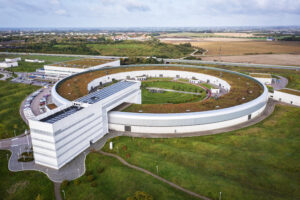
MAX IV, NAISS and InfraVis are joining forces to connect data generation, high-performance computing and advanced visualization. Through the NIM project, the three national research infrastructures are creating more seamless workflows that help researchers process, analyse and interpret data more efficiently, reducing technical barriers and accelerating scientific discovery.
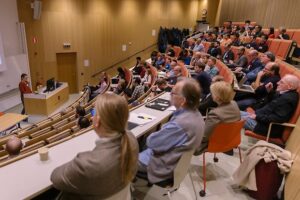
As part of the satellite programme of the Swedish E-Science Acadamy, InfraVis hosts:
InfraVis – Visualization & Dimensionality Reduction
13 October, 09:00-16:00
InfraVis Call For Visualization Support is open throughout October 2026.
Welcome with your application!
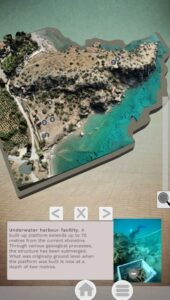
PAST – Platsen Asine Spår och Tid, brings archaeological heritage to life through interactive digital storytelling. By combining digital technologies with rich archaeological data, the project creates an immersive experience where visitors can explore archaeological heritage and research through an interactive touchscreen installation at Gustavianum Museum in Uppsala.
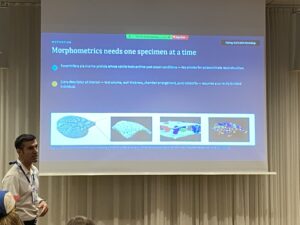
InfraVis application expert Alexandros Sopasakis has together with InfraVis user Helena Filipsson co-authored a paper accepted to the ECCV 2026 Workshops, part of one of the world’s leading conference series in computer vision. The paper was presented at the ECCV conference in Malmö.
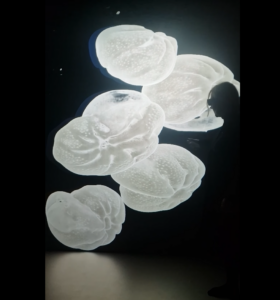
InfraVis Expo
21 September 2026 | Lund
Join us at the InfraVis Expo on 21 September to discover how the national research infrastructure InfraVis supports researchers through advanced data analysis and visualization.
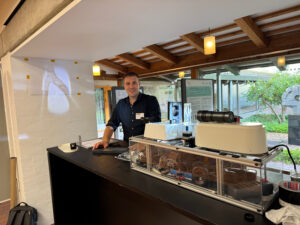
Several InfraVis experts contributed to the scientific programme of MASRi 2026 in Helsingör, Denmark.
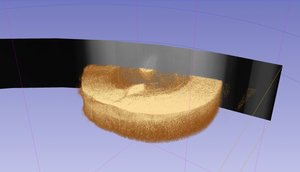
InfraVis helped develop a real-time visualisation tool for complex CT scan data (sinograms), allowing researchers to spot measurement issues early, identify areas of interest, and reduce the need for time-consuming reconstructions during imaging experiments.
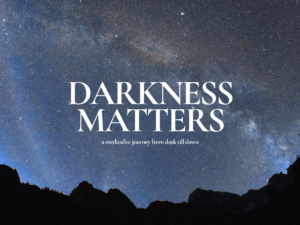
Darkness Matters is a fulldome documentary and research project offering a meditative journey through natural darkness bringing awareness about the increasing issue of light pollution. Costanza Julia Bani contacted InfraVis with the goal of bringing a future perspective on the light pollution issue.
