Skip to content
Infravis Logo
  • Home
  • ProjectsExpand
    • Projects
    • Infrastructure Development
  • Services & Resources
  • News & Events
  • About InfraVisExpand
    • Overview
    • Branding
    • Management & Leadership
    • InfraVis Faculty
    • Operations & Reports
    • Acknowledgements
    • Contact Us
  • Call for Applications
Apply for Support
Infravis Logo

InfraVis’s main activity towards the public is supporting researchers in the form of projects, specifically supporting them with visualization skills, experience, and knowledge. Depending on the scope of those projects, they may be classified as one out of two different classifications.


Projects

Mid-level Projects

This classification is given to projects that are evaluated to take no more than a set amount of time (currently set to ~80 hours of involvement from our end). In most cases for these kinds of projects, the path towards the end goal is clear enough for us, that the time needed is mostly spent on getting a working viable prototype according to specifications up and running. Any eventual questions that may spring up in projects such as these are usually in the realms of what the researcher prefers specifically or domain-specific knowledge.

This level of support is given free of charge.

In-Depth Projects

For projects that are much larger in scope, and it is not feasible to have it done within the set amount of time for a Mid-Level project, we give the In-Depth classification. The common denominator for these projects, other than taking a large amount of hours, is that it is not exactly clear how the desired output for the project will be achieved. It may take more than a few iterations and evaluations from the researcher(s) and possibly their own users. In the more extreme cases, it may involve inventing new methods for visualization entirely.

Due to the grand nature of these projects, this level of support involves contributing in the form of user fees or in-kind contributions.

  • 3D Modeling for simulated ventricular surgery

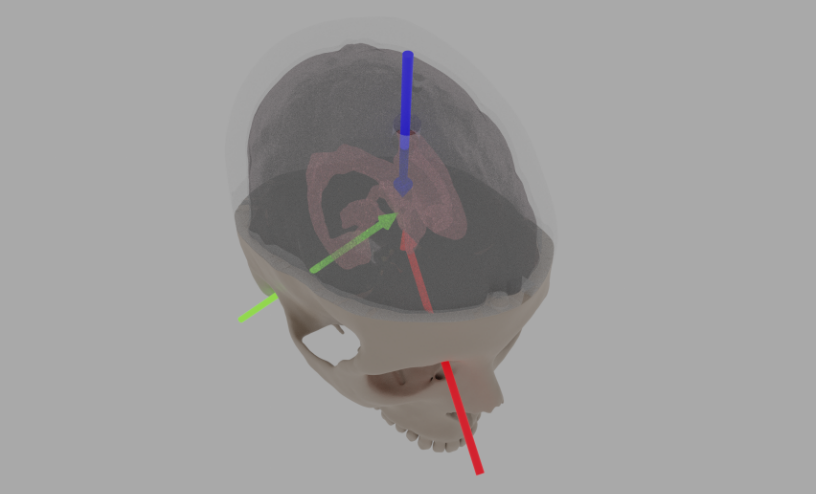
    Brain surgery requires extreme precision, which makes realistic training essential. This project was created to improve practice conditions for a procedure where a catheter is…
  • Sport and Outdoors Sustainable Accessibility Map

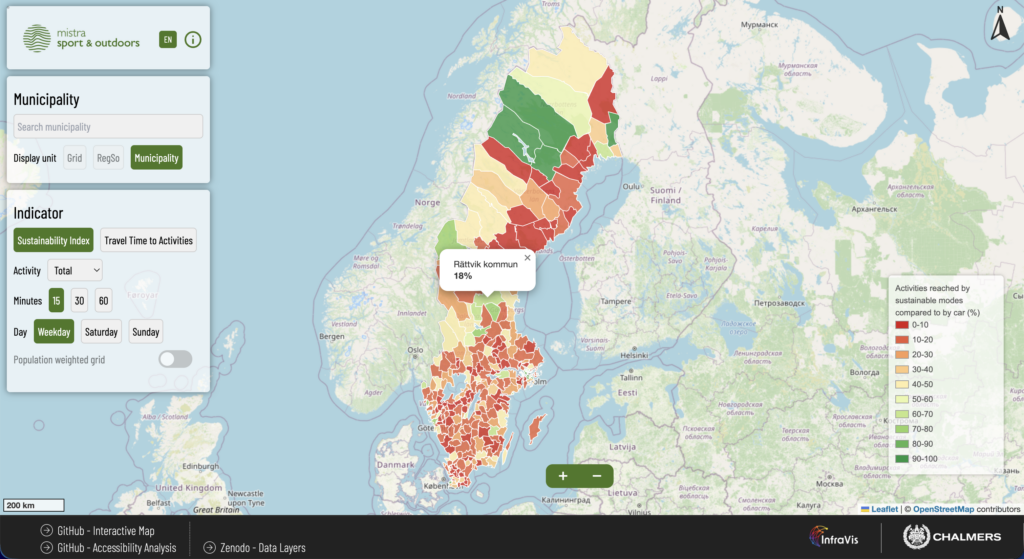
    Welcome to the Sport and Outdoors Sustainable Accessibility Map – an innovative tool designed to explore, help understand and improve sustainable accessibility to sports and…
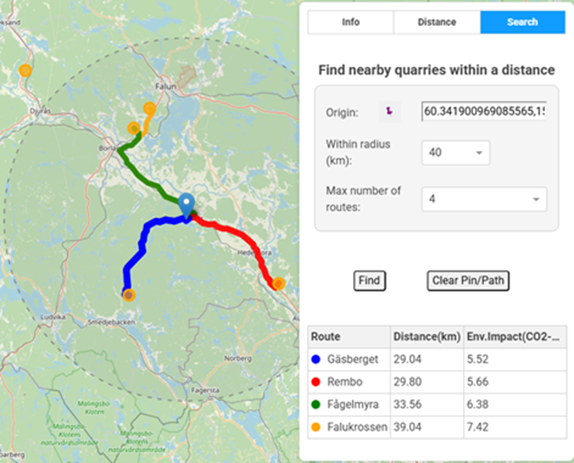
  • GIS Benchmark Tool for Environmental Impact of Quarries and Mining Industry

    QuarryGIS is an interactive environmental visualization and benchmarking tool built to make quarry and construction sector impacts tangible for producers, clients, and planners.
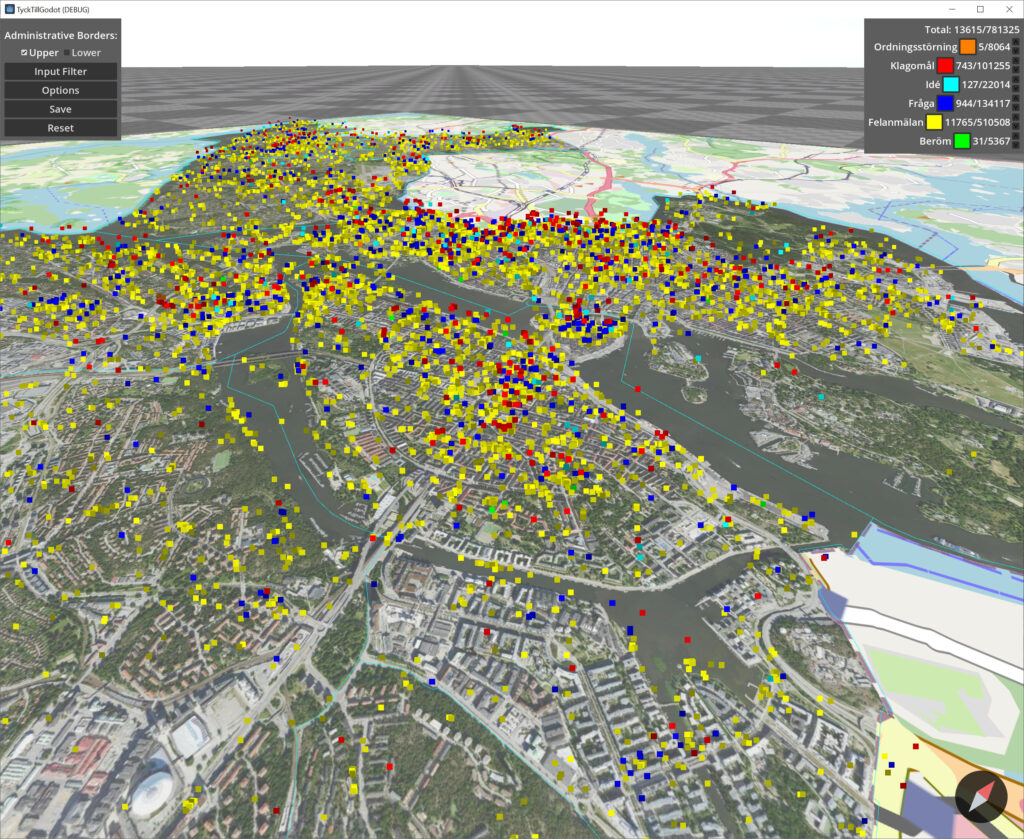
  • Perspective view of a map of Stockholm with points showing reports related to garbage reported on the weekend.

    Interactive visualization of crowd sourced urban data from Tyck Till

    This project focused on crowd sourced urban data collected from Tyck Till an app developed by Stockholms Stad where users can leave feedback and report…
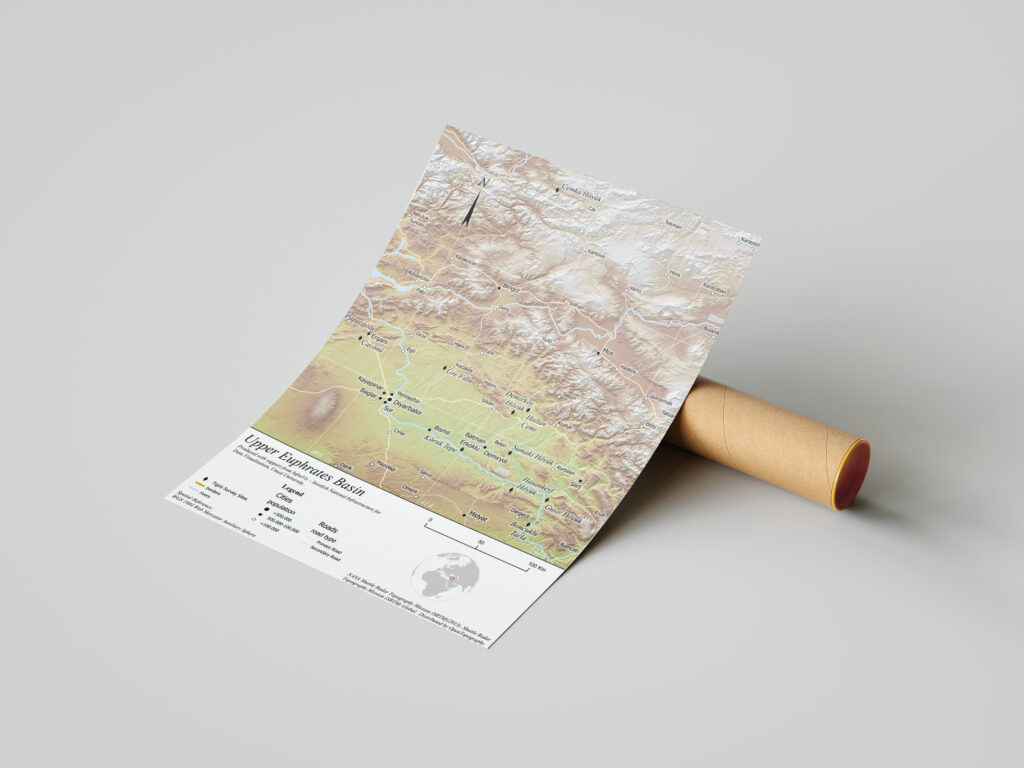
  • GIS visualization of archaeological sites in the upper Tigris and Euphrates River basins

    The project produced GIS-based maps and diagrams to visualize archaeological sites and material culture, highlighting the regional shift from hunting-gathering to farming. It integrates environmental…
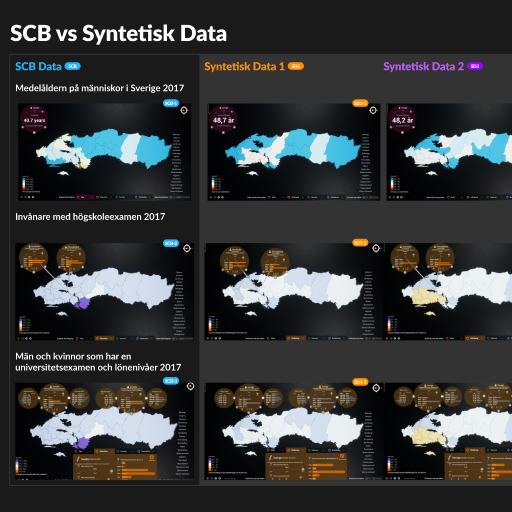
  • Synthetic Data

    Synthetic Sweden – Exploring applications and limitations of synthetic demographic data

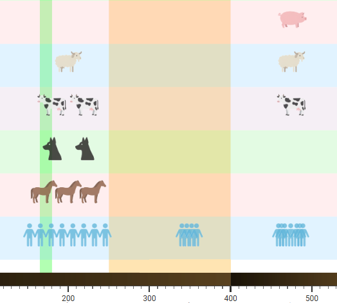
    The goal of this project was to introduce synthetic demographic data to a public audience through an extension of the existing “Sweden-in-Numbers” installation.
  • GenomeLens

    The aim of the project is to produce the novel interactive tool “GenomeLens”, that uses genome sequencing data to visualize genetic variation along chromosomes within…
  • Visualization of incommensurately modulated structures on example of allotropes of bromine at high pressures

    This project developed a specialized 3D visualization tool to explore how halogen crystal structures transform under extreme pressure, particularly focusing on incommensurately modulated structures that…
  • NordPow

    The project’s primary objective is to create a comprehensive Nordic resource for researching churches and prayer houses. At the same time, it seeks to document…
  • Visualizing Literacy of Children in School

    This project explores ways of visualizing data concerning the literacy metrics of elementary school children in Sweden, collected using a sophisticated tool developed for this…
View our gallery of projects

Infrastructure development

Curated selection of projects that InfraVis has engaged in towards developing a competency of its application experts as well as its collaboration mechanisms with other infrastructure projects. 

  • The Postcard Project

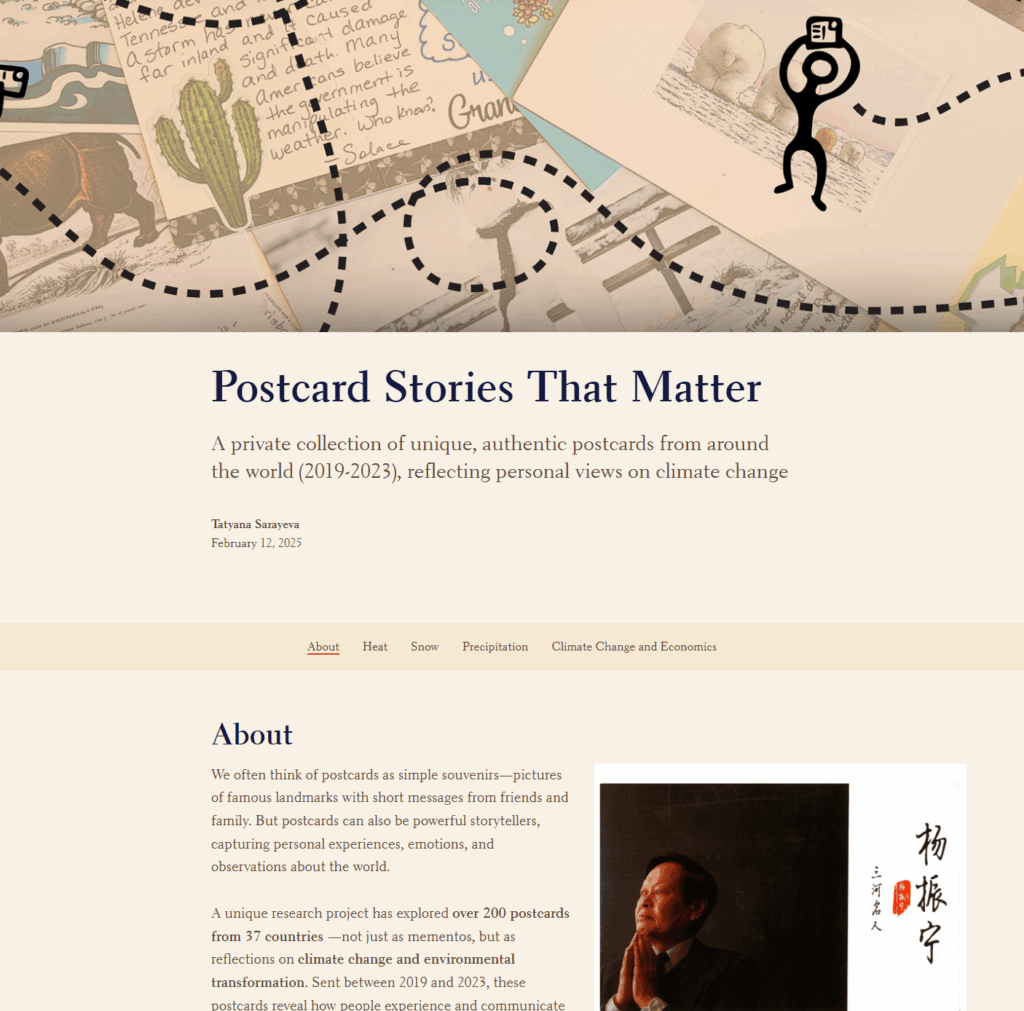
    The project’s primary objective is to connect a collection of postcards about climate change with actual climate monitoring data and data about economic inequality.
  • Constructing a virtual Synchrotron X-ray beamline

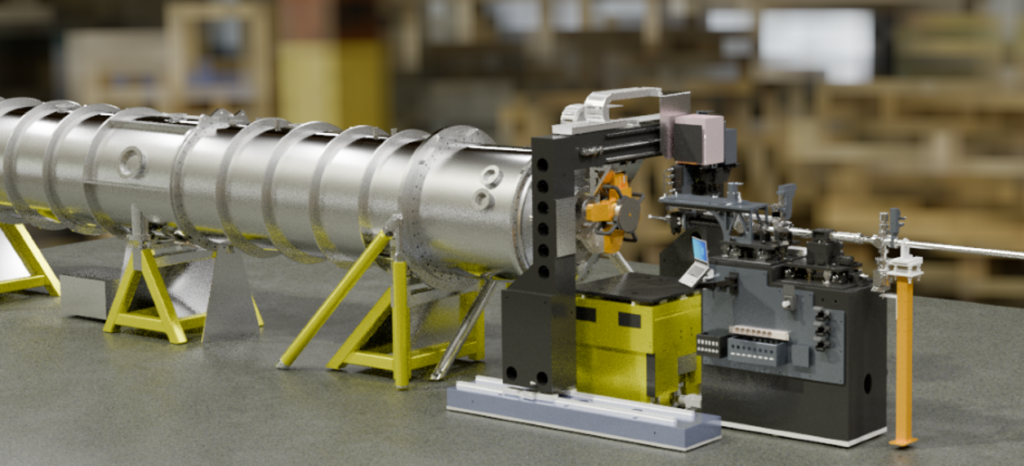
    Researchers from InfraVis and MAX IV are developing virtual environments from CAD drawings for education, training, and virtual experiments. Using Blender and Unreal Engine 5,…
  • Interactive tools for visualisation of DNA, RNA, and protein structures

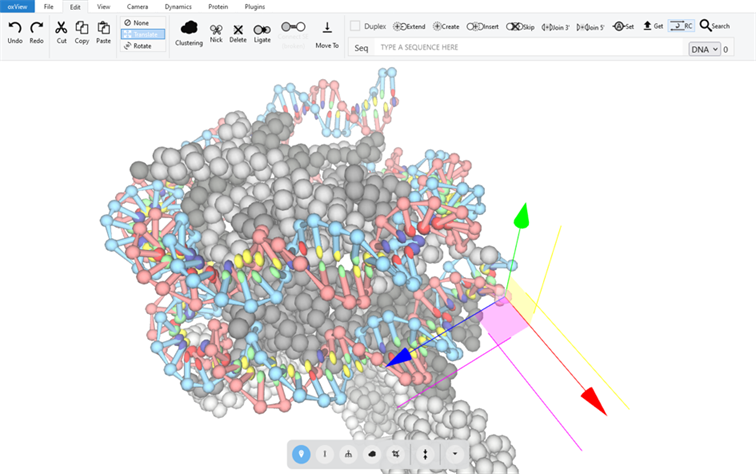
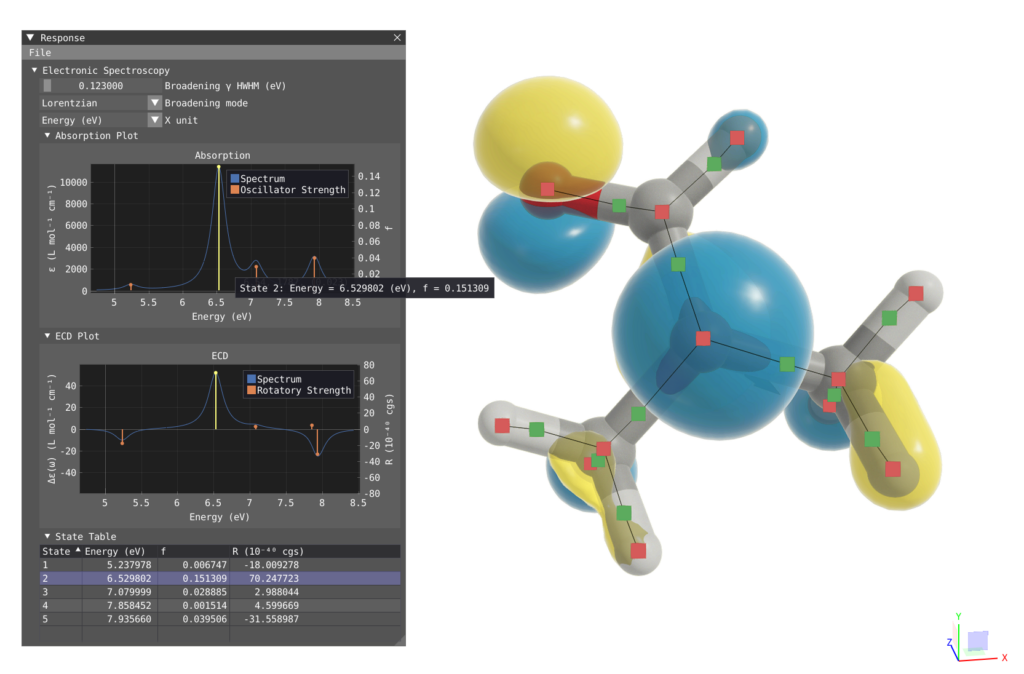
    Joakim Bohlin, InfraVis Application Expert, developed interactive tools for visualizing DNA, RNA, and protein structures. His work includes oxView for DNA nanotechnology, oxJenga for VR…
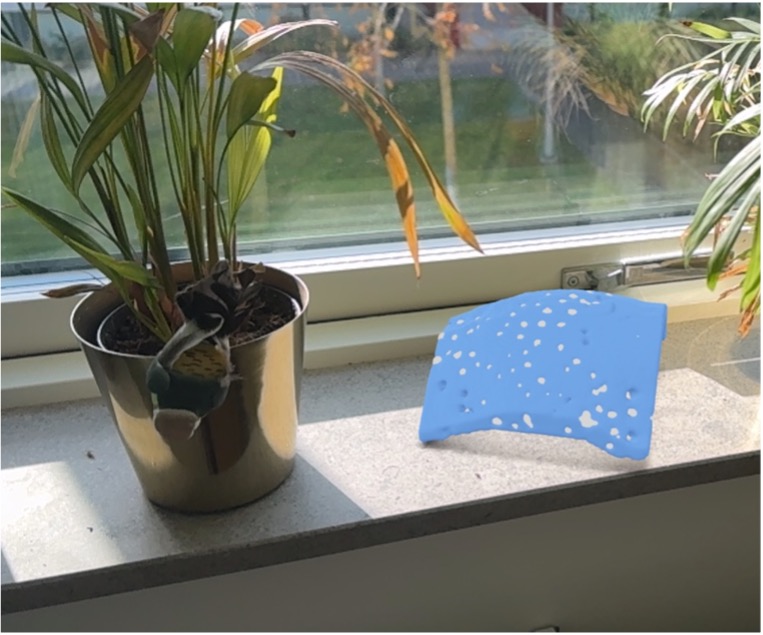
  • Inspecting tomographic datasets and Protein Data Base files in Augmented Reality – the perfect tool for an immersive poster session

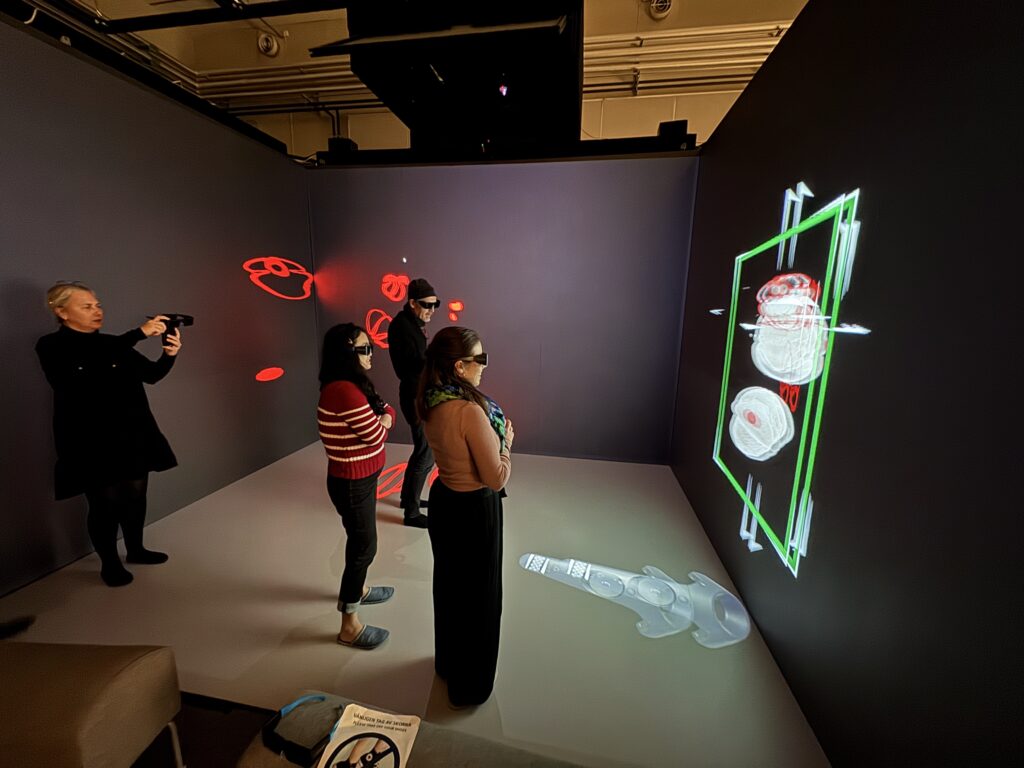
    The InfraVis node at Lund University has developed an application and workflow to visualize tomographic datasets in the immersive CAVE system at the Virtual Reality…
  • Volume and slice visualization in the CAVE at LTH’s VR lab

    The InfraVis node at Lund University has developed an application and workflow to visualize tomographic datasets in the immersive CAVE system at the Virtual Reality…
View our gallery of Infrastructure development

Infravis Logo

InfraVis is a national research infrastructure funded by the Swedish Research Council (Vetenskapsrådet) in support of scientific advancement through the application of state-of-the-art data analysis and visualization techniques.

Contact Us

Email: info@infravis.se

Linkedin YouTube Instagram Twitter

© 2026 InfraVis

Scroll to top
  • Home
  • Projects
    • Projects
    • Infrastructure Development
  • Services & Resources
  • News & Events
  • About InfraVis
    • Overview
    • Branding
    • Management & Leadership
    • InfraVis Faculty
    • Operations & Reports
    • Acknowledgements
    • Contact Us
  • Call for Applications