
Cross-border collaboration in data analysis and visualization is key to maximizing the value of research infrastructures.
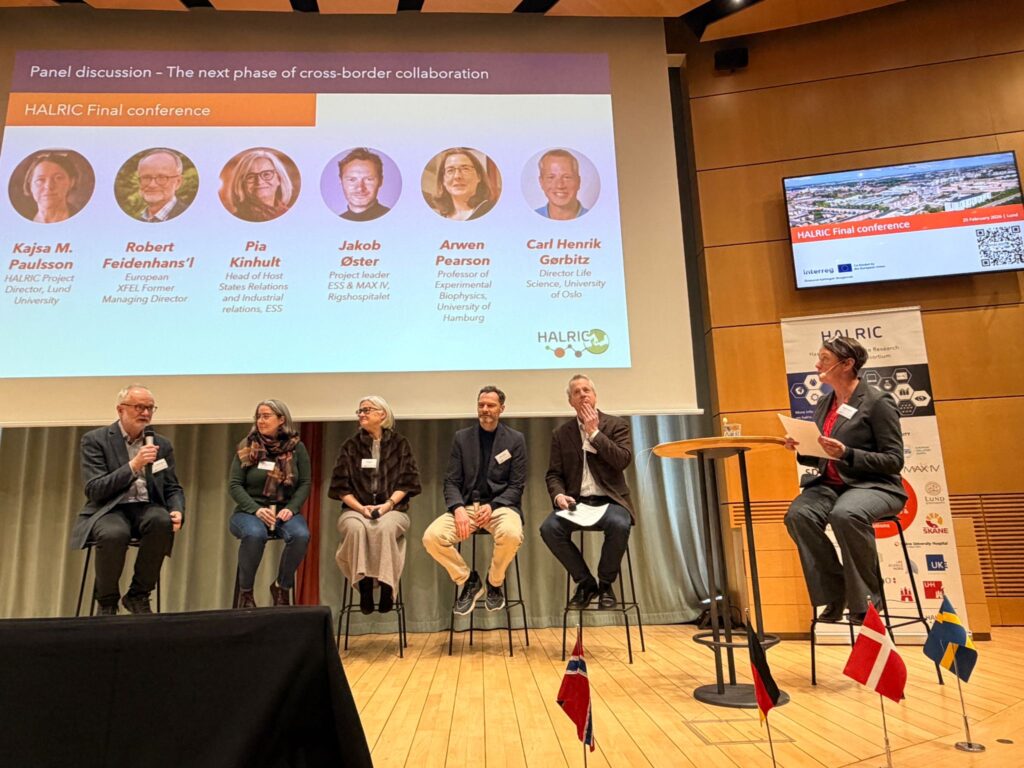
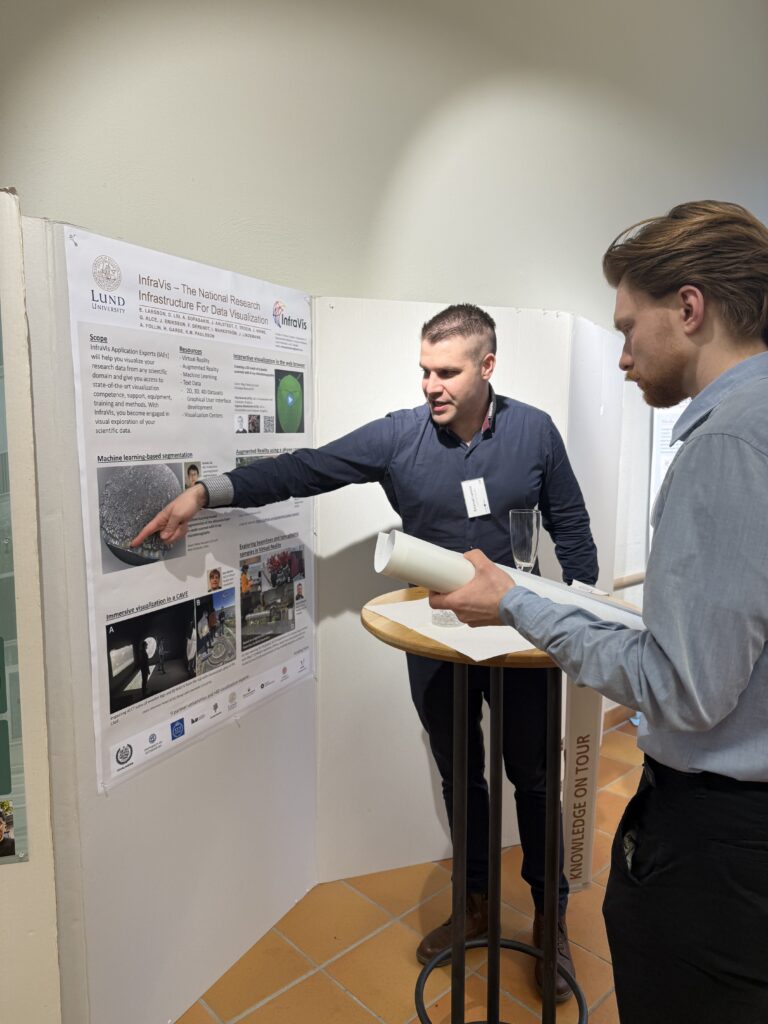
At the final HALRIC conference, Anders Bjorholm Dahl (DTU/QIM) and Emanuel Larsson (CIPA/InfraVis, LU) showed how coordinated expertise across borders leads to stronger research outcomes. Over three years, HALRIC has supported more than 80 pilot projects involving major facilities such as MAX IV, ESS, DESY and European XFEL, as well as other types of infrastructures across the HALRIC partner consortium. Many relied on QIM and CIPA/InfraVis for advanced data analysis and visualization, demonstrating how integrated support increases scientific impact and the return on national infrastructure investments.
A central message from the conference was that data management is both a bottleneck and an opportunity. Participants emphasized the need for interoperable, long-term support structures as research data continues to grow in scale and complexity. As Vice Director of InfraVis and Director of HALRIC, Kajsa Paulsson emphasized that data management has been identified within HALRIC as a key strategic development area.These discussions resonate closely with the analysis by Vetenskapsrådet, “Bottlenecks limiting the benefits of large-scale research infrastructures”, which highlights the importance of improved coordination and long-term support structures around data.
Sustained cross-border collaboration is essential to maximize the impact of our shared infrastructure investments.