InfraVis at the 2026 ESS/MAX IV/SciLifeLab Summit
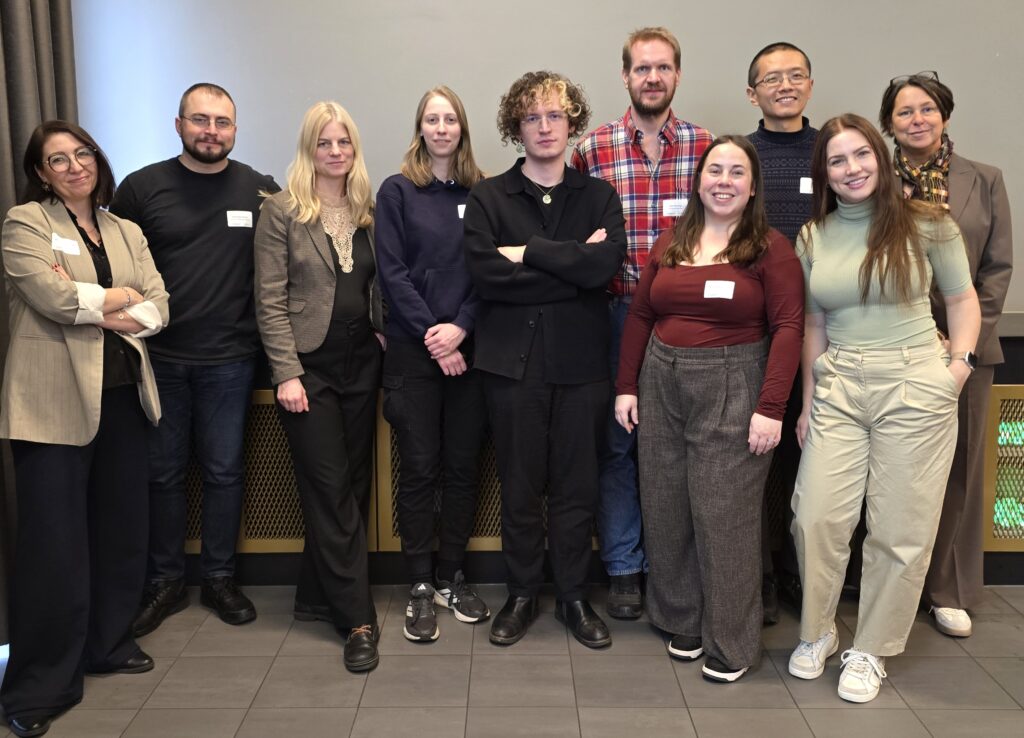
Eleven colleagues from across InfraVis took part in the 2026 ESS/MAX IV/SciLifeLab Summit, AI for Science – Connecting Research, Data and Infrastructure. Application experts, embedded experts, administrators and our vice director joined discussions on how research infrastructures can work together as AI becomes an increasingly important part of research.
The summit brought together perspectives from research, computing, data and research infrastructures. A recurring theme was that the different parts of the research process need to become better connected. As AI creates new possibilities for analysing increasingly large and complex datasets, this also places new demands on infrastructure, expertise, reproducibility and responsible research practices.
These questions were explored more closely during the lunch workshop Who should take responsibility? Participants discussed who needs to take responsibility for different parts of an AI-assisted research process, and where ownership remains unclear. The workshop considered the roles of researchers and their organisations, research infrastructures, national and European computing capabilities and funders. It also focused on practical measures that could clarify responsibilities and enable different actors to take them on.
For InfraVis, these discussions connect closely to our role in supporting researchers in exploring, analysing and visualizing complex research data. Visualization can help researchers understand their data, investigate patterns and relationships and, importantly, discover things they might otherwise have missed. Connecting this expertise with data-generating facilities, data services and national computing resources can help create stronger research workflows from data generation to scientific insight.
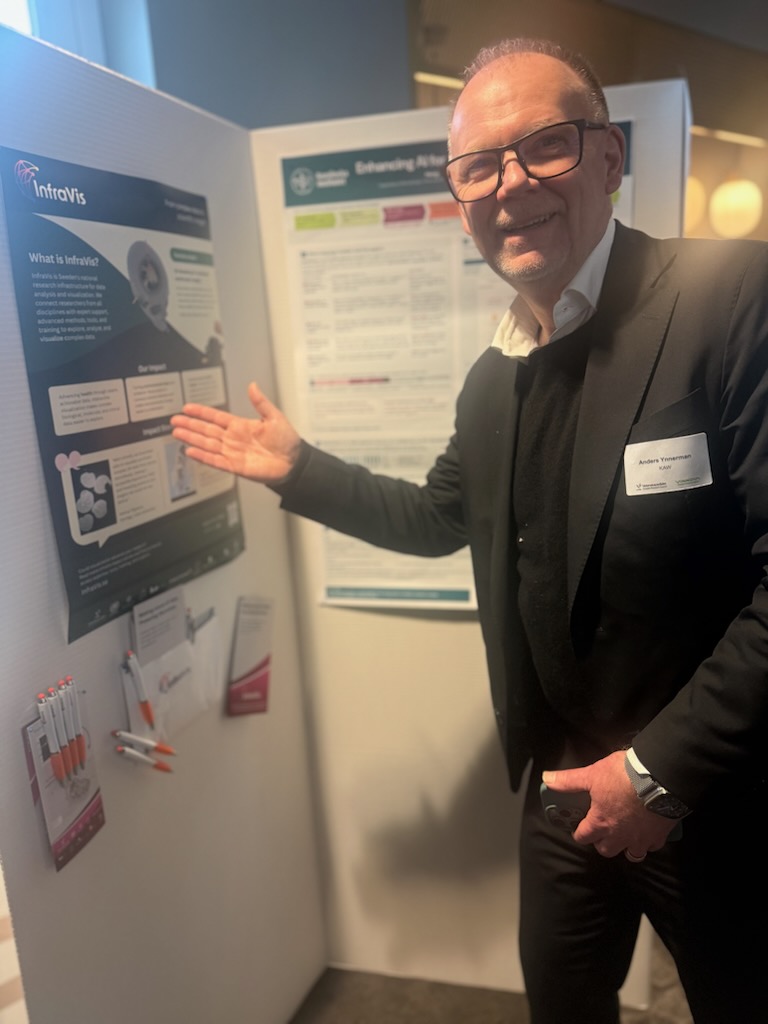
The summit also provided an opportunity for colleagues from different parts of InfraVis to meet researchers and representatives from other Swedish research infrastructures and discuss where our expertise complements one another.
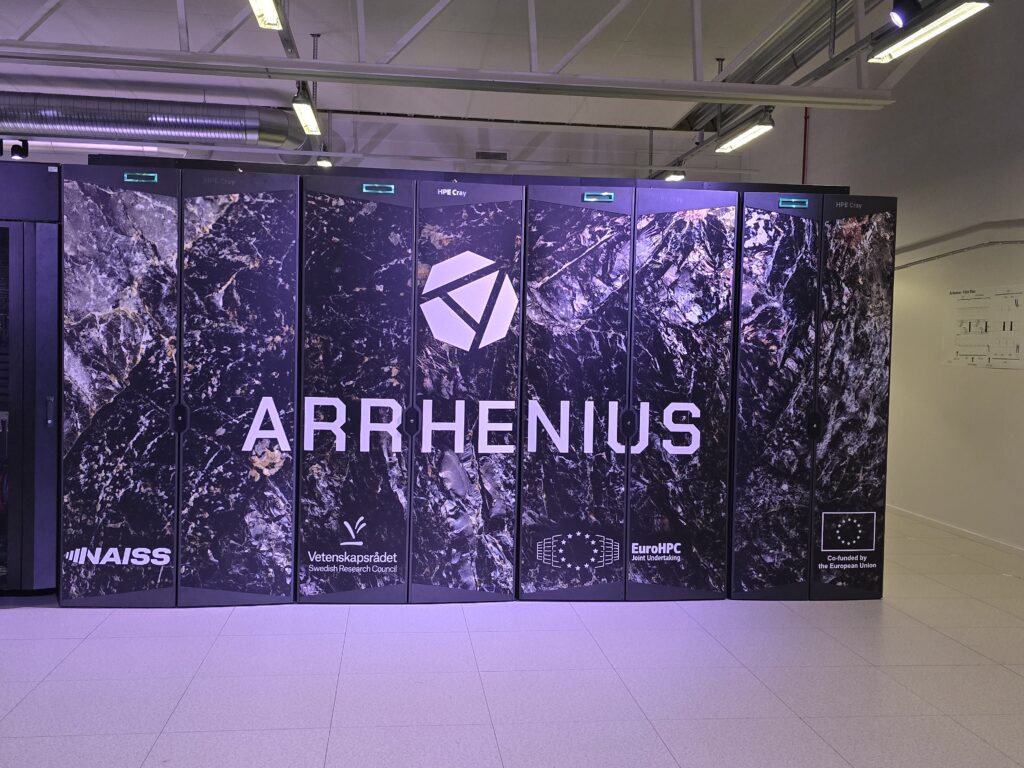
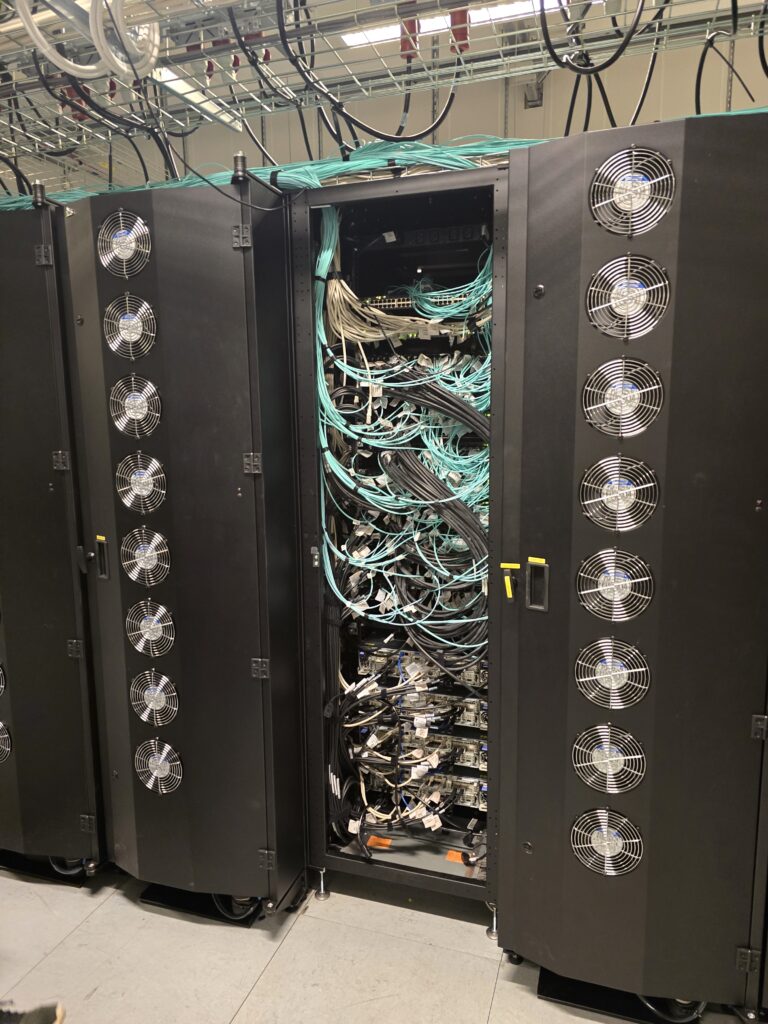
The programme began with a visit to NAISS, where participants learned more about the new EuroHPC supercomputer Arrhenius, followed by discussions and presentations around AI for science, research data and infrastructure.
For InfraVis, one takeaway was particularly clear: supporting AI-driven science is not something that any individual infrastructure can do alone. Computing capacity, high-quality data, scientific expertise, analysis and visualization all need to connect. Just as importantly, it needs to be clear who is responsible for what along the way. Strengthening both these connections and the division of responsibilities will be important as research methods and data continue to evolve.